Can We Eat Eggs After the Expiry Date in India?
Eggs are a kitchen staple, but like any food, they come with a shelf life. If you’ve ever noticed a date on an egg carton or wondered how long those loose eggs from the market stay good, you may have asked: “Can we eat eggs after the expiry date?” Especially in India, where eggs are often sold unrefrigerated in open markets, understanding egg freshness and safety is crucial. In this article, we’ll explore how long eggs last, what “expiry date” really means for eggs, and how to tell if an egg is still okay to eat or should be discarded.
Do Eggs in India Have an Expiry Date?
First, it’s important to clarify what we mean by “expiry date” for eggs:
- Packaged eggs (like branded cartons in supermarkets) often have a “Best Before” date printed. This is typically a guideline for peak quality, not an absolute “bad after” date. For example, a carton might say “Best before 10 Jan 2026”. This usually assumes the eggs are stored refrigerated from packing until that date.
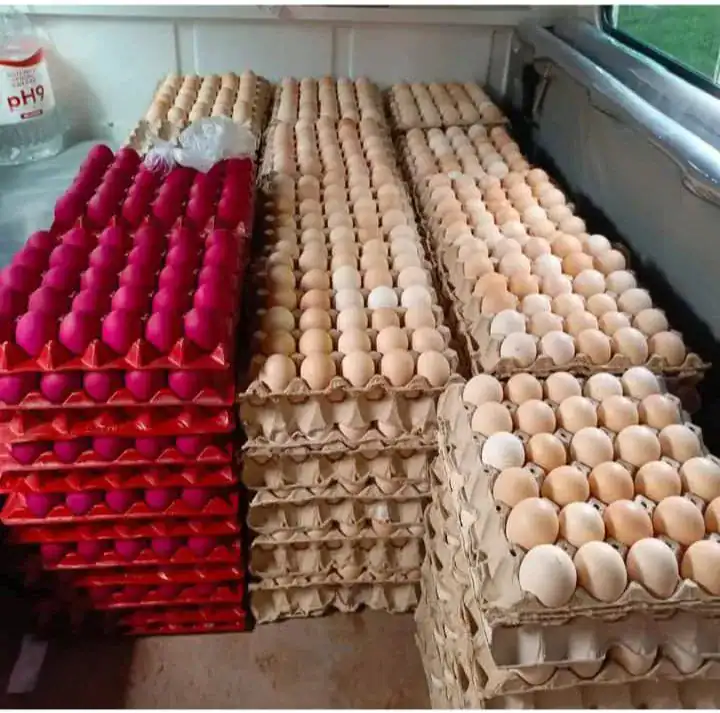
- Loose eggs (which are common in Indian wet markets and local shops) usually don’t come with a printed date. The onus is on the vendor to sell fresh stock and on the consumer to judge freshness.
In India, food safety regulations require pre-packaged foods to have date labeling, but eggs sold loose or by weight may not strictly carry a date. So, often the “expiry” is more of an estimate by the shopkeeper’s turnover. Many of us end up relying on the eggs’ appearance or the word of the vendor (“fresh farm eggs, laid yesterday!” they’ll claim).
However, experts do have guidelines:
- At room temperature (around 25-30°C), eggs maintain their freshness for about 7 to 10 days after being laid timesofindia.indiatimes.com. The Food Safety and Standards Authority of India (FSSAI) notes eggs can stay fresh up to ~10 days at room temp (around 28°C) before quality degrades significantly facebook.com.
- If refrigerated, eggs can remain good for 30 to 45 days (about 4-6 weeks) after being laidtimesofindia.indiatimes.com. Refrigeration slows down bacterial growth and internal degradation.
- These are general shelf-life estimates, meaning an egg doesn’t suddenly go bad at midnight on day 11 or day 46; rather, the likelihood of spoilage or quality loss increases as time passes those benchmarks.
So, if you see an “expiry” date on an egg carton in India, it’s likely around 3-4 weeks from the packing date (assuming the eggs were fresh when packed). That corresponds to the period eggs can be considered top quality under refrigeration.
Is It Safe to Eat Eggs Past the Best-Before Date?
The short answer: It depends on how far past and how the eggs have been stored. Eggs do not automatically become toxic after the date – they gradually lose quality (moisture and CO₂ exit through the shell, the white thins, the yolk becomes less firm) and eventually may spoil.
- A few days past the date (or a week): Generally, if properly refrigerated, eggs are usually still fine to eat a week or two beyond the best-before date timesofindia.indiatimes.com. Many people routinely consume slightly older eggs, especially if they pass freshness tests (more on those tests soon). Nutritionist Dr. Lovneet Batra points out that “eggs are often good to eat long after the expiration date” and that we shouldn’t throw them out just because a date has passed timesofindia.indiatimes.com.
- Several weeks past expiry: Here you enter risky territory. While refrigerated eggs might not show obvious spoilage for 4-5 weeks, the risk of bacterial growth (like Salmonella) or a significant decline in quality goes up. It’s not recommended to consume eggs 2+ months old. Dr. Batra specifically warns not to use eggs that are 2 months old, as by then even refrigeration can’t ensure safety timesofindia.indiatimes.com.
- Eggs stored at room temp past 10 days: If eggs were never refrigerated and it’s been more than 10-12 days, they are likely past their prime. In Indian weather, especially in summer, an egg left out for over 2 weeks is quite likely to have degraded or even gone bad. Eating such an egg is not advised.
So, “Can we eat eggs after expiry?” – If “expiry” means the printed best-before date, you potentially can for a short period after, but you have to rely on other freshness checks. If “expiry” means they’ve been sitting in your kitchen unrefrigerated for a month, then likely, no, it’s not safe to eat.
It’s important to differentiate quality vs safety:
- Quality: An egg a bit past best-before might have a runnier white or flatter yolk, meaning it won’t fry as nicely or whip into meringue as well, but it could still be safe to eat if not spoiled.
- Safety: As eggs age, the chances of bacterial contamination (especially Salmonella) causing illness increase. The egg’s natural defenses (like the shell, membranes, and certain enzymes) weaken over time. An old egg can allow bacteria to multiply to dangerous levels.
According to the Times of India piece, consuming an expired egg carries “increased risk for salmonella food poisoning” timesofindia.indiatimes.com. Salmonella can cause severe diarrhea, fever, and vomiting. This risk is why many countries mandate best-before dates on eggs and advise against using them beyond that.
How to Tell if an Egg Has Gone Bad
Instead of purely relying on dates, it’s very useful to know practical tests for egg freshness. Here are a few tried-and-true methods:
- The Float Test: This is a popular home method:
- Fill a bowl or deep glass with water and gently place the egg in it.
- Fresh egg: sinks to the bottom and lies on its side.
- Slightly older but still good egg: may stand upright on the bottom (pointy end down, blunt end up) – this indicates some air has entered the egg, but it can be safe to eat. Such eggs are perfect for boiling, according to chefs, because they peel more easily (a bit of air pocket makes peeling simpler).
- Bad or very old egg: floats up to the surface timesofindia.indiatimes.com. A floating egg means a large air cell inside (air replaces moisture that escaped), which typically happens in eggs at least 3-4+ weeks old. Floaters are usually not good to eat – they’re either on the verge of spoiling or already spoiled.
- Why it works: As Gabrielle Taylor, a food journalist, explained, eggshells are porous. Over time, air seeps in, enlarging the air pocket inside. Freshly laid eggs have almost no air and sink; older eggs have more air and can float timesofindia.indiatimes.com.
- Sniff Test: Your nose is a great detector of a bad egg:
- Crack the egg onto a plate or bowl. If you notice any foul, sulfuric odor, the egg is bad timesofindia.indiatimes.com. A rotten egg smell is unmistakable – if you smell it, do not consume the egg.
- If the egg looks fine and has no odor, it’s likely okay. Good eggs don’t have much smell at all.
- Visual Check Inside: When you crack the egg:
- Look at the egg white and yolk. In a fresh egg, the yolk is round, firm, and sits up high, and the white is thick and doesn’t spread much.
- In an older egg, the yolk may appear flatter, and the white will be more runny/spread out timesofindia.indiatimes.comtimesofindia.indiatimes.com. This doesn’t mean it’s unsafe; it’s a quality issue. You can still use such eggs for baking or hard-boiling if there’s no bad smell.
- If you see unusual discoloration (pink, iridescent, or cloudy egg white), that can indicate bacterial growth – better to toss it.
- Shell Appearance: Check the shell before cracking:
- If an egg is cracked or leaking, bacteria may have already entered – best to discard, even if it doesn’t smell (contamination might not produce odor initially).
- Sliminess or powder on the shell: Could indicate mold or bacterial growth on the shell – not a good sign.
- In general, use only eggs with clean, intact shells (FSSAI also says eggs should have clean, uncracked shells for sale fssai.gov.in).
- Sound Test (less common): Some people shake an egg near their ear – a fresh egg won’t slosh much (the contents are firm), while an older egg might slosh as the yolk and white thin. This is a bit subjective, though.
What about the Expiry Date?
If your eggs have a printed date and they’ve been in the fridge, you can use the above tests even after that date passes. Often, you’ll find they’re absolutely fine a few days beyond. Personally, many have eaten eggs 1-2 weeks past the date (refrigerated) with no issue, because they passed the float and sniff tests.
However, exercise more caution if:
- The egg is well past expiry (several weeks).
- It was stored in less-than-ideal conditions (e.g., in a warm kitchen or fluctuating temperatures).
- You are serving a vulnerable person (pregnant woman, young child, elderly, or someone with a weakened immune system). In those cases, being strict about dates is wise, since the risk of infection is more serious for them.
Proper Storage = Longer Egg Life
To safely consume eggs as long as possible (even past best-before), proper storage is key:
- Refrigerate eggs as soon as possible after purchase. In India, many stores don’t refrigerate eggs, but once you bring them home, keeping them in the fridge greatly extends their life to that 30-45 day window timesofindia.indiatimes.com.
- Keep eggs in their carton (if they came in one) or a dedicated container. This prevents them from absorbing odors from other foods (eggshells are porous) and reduces moisture loss.
- Place in the main body of the fridge, not the door. The door compartments see a lot of temperature swing. A constant cold temperature is better; experts recommend storing eggs where the temp is most stable (one source suggests around 19-23°C if not refrigerated, but realistically in India, that’s hard; so a fridge at ~4°C is best) timesofindia.indiatimes.com.
- Do not wash eggs before storage. Washing can remove the protective bloom and make contamination more likely unless you use them immediately. (All commercial eggs in India are not usually washed, unlike some countries. If yours look a bit dirty, you can wipe with a dry cloth and refrigerate.
- In case of power outages (common in some areas), try to keep eggs in the coolest spot and consume the older ones first.
By storing well, you increase the chance your eggs are still good when you go to use them, even if the date has ticked by.
Using Eggs Close to or Past the Date
If you have eggs that are approaching or just past the best-before date, consider using them in ways that ensure thorough cooking:
- Hard-boil them for snacks or to make egg curry. A fully cooked egg is safer than a runny yolk if the egg was borderline.
- Use them in baking (cakes, breads) – again, they’ll be well-cooked through.
- Egg burji (scramble) or omelettes cooked well done.
- Avoid using older eggs for preparations that are soft-cooked or raw (like poached eggs with runny yolk, sunny-side ups, mayonnaise, or desserts with raw egg) – for those, only use very fresh eggs.
Fully cooking an egg kills most bacteria, such as Salmonella. So if an egg is just slightly past date but passes other checks, making sure it’s thoroughly cooked is an extra safety net.
However, if an egg is truly expired (rotten), cooking won’t save it – the toxins from bacteria like certain strains of spoilage bacteria could make you sick even if the bacteria are killed. Rotten eggs should never be consumed or cooked; the smell usually prevents that anyway.
Bottom Line: “Expiry” Is a Guideline, Not a Magic Cut-off
In India, many people go by the simple rule of thumb – if it looks okay and smells okay after cracking, it’s probably okay to eat, date notwithstanding. This rule often works, but remember an egg can carry Salmonella without a bad smell. That’s why the date is there: as a conservative guideline for safety.
So, can you eat eggs after the expiry date?
- Yes, you can – if it’s only a short time after, the eggs have been properly stored cold, and they pass the freshness tests. For example, an egg a week past its best-before in the fridge that sinks in water and looks/smells fine when cracked is generally safe for a healthy person.
- But use caution. The further you go from the date, the higher the risk. Don’t push your luck with eggs that are far gone or stored improperly. Egg prices are relatively low, so when in doubt, it’s safer to discard questionable eggs than risk food poisoning.
FAQs
How long do unrefrigerated eggs last in India?
In India’s warm climate, unrefrigerated eggs last about 7 to 10 days with good quality timesofindia.indiatimes.com. In cooler months or hill stations, maybe up to 2 weeks. After ~10 days at room temp (~25-30°C), eggs significantly lose freshness, and the risk of spoilage rises facebook.com. Always try to buy eggs that have been recently stocked and consume unrefrigerated eggs relatively quickly.
How long can refrigerated eggs be kept?
Refrigerated eggs (kept at ~4°C) can last around 4 to 5 weeks from the pack date timesofindia.indiatimes.com. Many people find they are okay even at 6 weeks, but quality degrades by then. It’s best to use them within a month. Remember, if you bought eggs that were already a week old, your 4-5 week clock starts from when they were laid/packed, not from when you put them in the fridge.
What happens if I eat an expired egg?
If the egg was truly spoiled (rotten), you would likely know from taste or smell, and consuming it could cause food poisoning (symptoms like nausea, vomiting, diarrhea). The biggest concern is Salmonella bacteria, which can be present in eggs. Eating a bad egg could lead to Salmonella infection with fever, stomach cramps, etc. If the egg was just a bit old but not actually spoiled, you might be perfectly fine, or at worst have some mild digestive upset. The risk varies case by case. It’s best not to gamble – if you suspect an egg is bad, don’t eat it.
What are the signs of a spoiled egg?
- A strong sulfuric stench when cracked open – the smell of a rotten egg is very obvious timesofindia.indiatimes.com.
- Black or green spots inside the egg indicate fungal or bacterial contamination.
- A shell that’s leaking, slimy, or cracked (spoilage might have set in).
- If an egg floats in water, it’s a possible sign of being very old (and likely bad) timesofindia.indiatimes.com. Confirm by cracking and smelling it.
- Remember: an egg can look normal but still contain bacteria like Salmonella. So freshness tests help, but always cook eggs well to be extra safe if they’re not farm-fresh.
Should eggs be refrigerated in India?
Ideally, yes. While traditional markets don’t refrigerate eggs (and many households keep them on the counter), refrigeration extends shelf life greatly and is recommended by food safety authorities. FSSAI’s guidance suggests eggs maintain freshness longer at cooler temperatures timesofindia.indiatimes.com. If you have a fridge, store eggs in it – preferably in a carton on a shelf (not on the door, due to temperature swings). In the fridge, keep them away from strong odors (to prevent odor absorption). However, once you refrigerate eggs, keep them refrigerated until use – don’t take them in and out frequently, as condensation can promote bacterial ingress through shells.
Can I use eggs that are 1 month past expiration for baking?
Using eggs that are far past expiry is not recommended. Even for baking (where eggs will be well-cooked), a month over is risky. The eggs are likely degraded in structure (affecting your bake’s quality) and could harbor high bacterial loads. Baking won’t necessarily kill all bacterial toxins if the egg was spoiled. It’s safer to use fresher eggs for baking. If the eggs were 1 month past the printed date but were refrigerated and still pass the float/smell test, it’s your call – but know there’s some risk. When baking for others, it’s best to err on the side of caution and use eggs well within date.
In conclusion, eggs are fairly resilient and give clear signs when they’ve gone bad. “Expiry dates” are helpful guidelines, but with a little knowledge and common sense, you can determine egg freshness yourself. When in doubt, though, remember: eggs are inexpensive, but food poisoning is not fun – when in doubt, throw it out. Enjoy your eggs safely!
Sources:
- Times of India (Dr. Lovneet Batra’s guidance) – Shelf life of unrefrigerated eggs 7-10 days, refrigerated 30-45 days; risk of Salmonella in expired eggs timesofindia.india times.com timesofindia.indiatimes.com
- FSSAI guidance (via foodsafetyhelpline/FSSAI docs) – Eggs stay fresh ~10-12 days at room temp, importance of storage conditions facebook.com
- India Today article on egg safety – emphasizes the need for expiry date on eggs and handling for freshness in the Indian context.
- Personal know-how (floating test, etc.) validated by expert sources timesofindia.indiatimes.com for freshness testing methods.